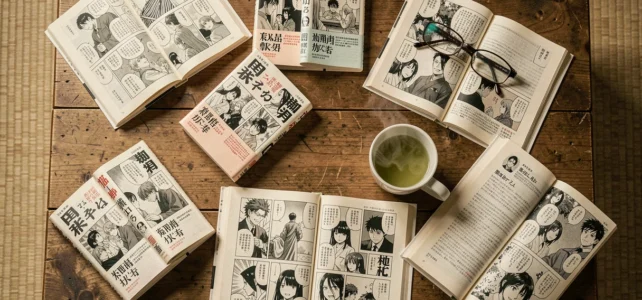
Mangas whose titles begin with the letter C cover a wide spectrum: action shônen, romantic comedies, historical narratives, science fiction. The following ranking is based on three criteria: the cultural impact of each series, its editorial longevity, and its ability to renew its genre. Some of these titles are among the bestsellers worldwide, while others have carved out a specific niche without ever leaving publishers’ catalogs.
1. Chainsaw Man
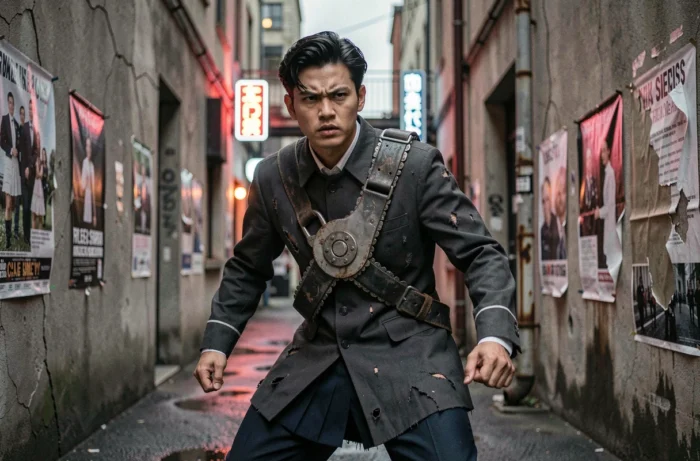
Created by Tatsuki Fujimoto and published by Shûeisha, Chainsaw Man remains one of the best-selling titles in France despite the recent contraction of the manga market. The story follows Denji, a teenager fused with a chainsaw demon, in a universe where demon hunters operate under the authority of a government agency.
What sets this series apart is Fujimoto’s constant refusal to adhere to the codes of classic shônen. Characters die without warning, narrative arcs veer into the absurd or tragic without transition. The second part, currently being published, shifts the action to a school setting that deliberately misleads the reader about the tone to come.
To discover famous mangas starting with C beyond this title, one must dig into very different genres, which the rest of this ranking offers.
2. Captain Tsubasa

Yôichi Takahashi launched Captain Tsubasa in 1981 in Weekly Shônen Jump. The manga popularized football in Japan at a time when the sport was marginal there. Several professional footballers, particularly in Europe and South America, have cited this series as a direct influence on their vocation.
Captain Tsubasa has spawned over ten animated adaptations spread across four decades. The longevity of the franchise is explained by a regular renewal of arcs: high school competitions, professional career in Europe, then a return to the international stage. This sports manga remains a reference in the genre well beyond the Japanese audience.
3. City Hunter

Tsukasa Hojo published City Hunter from 1985 to 1991 in Weekly Shônen Jump. The story of Ryô Saeba, a private cleaner operating in Shinjuku, blends action, comedy, and romance with a balance that few series of that era achieved.
The tone oscillates between burlesque scenes (the recurring gags related to the hero’s obsession) and dramatic passages where Ryô’s clients reveal serious situations. This duality has allowed City Hunter to reach a very broad audience, from teenage readers to adult viewers of live-action films produced in France and Asia.
4. Claymore
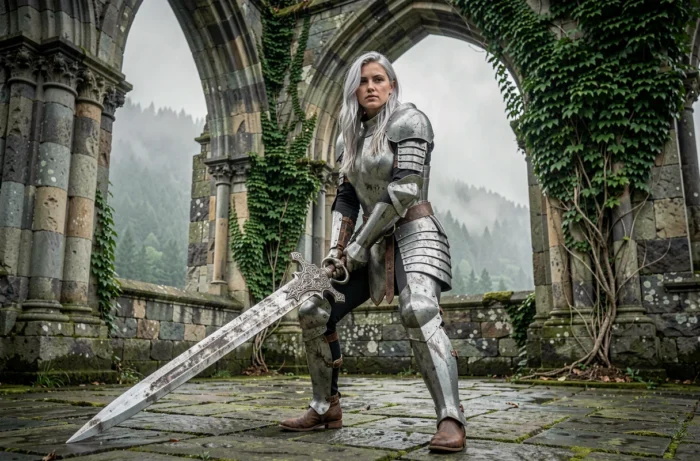
Norihiro Yagi developed Claymore over 27 volumes between 2001 and 2014. The story takes place in a medieval-fantasy world where half-human, half-monster warriors fight creatures called Yôma. Clare, the central character, pursues personal vengeance while questioning the organization that created her.
Claymore stands out for its almost exclusively female cast in a dark fantasy genre typically dominated by male protagonists. The power progression of the characters follows a biological logic related to their hybridization, which gives the battles a narrative tension absent from more classic power systems.
5. Cells at Work!

Akane Shimizu transformed the human body into an adventure ground with Cells at Work! (Hataraku Saibô). Each cell in the body is personified: red blood cells deliver oxygen, white blood cells fight bacteria, platelets clot wounds.
The manga has been used in educational contexts in Japan and elsewhere to popularize immunology and anatomy. The main series has spawned several specialized spin-offs (Cells at Work! BLACK, focused on an unhealthy body). The educational approach of Cells at Work! remains unique in the manga landscape.
6. Cross Game

Mitsuru Adachi excels in sports narratives mixed with slice-of-life, and Cross Game represents one of his most accomplished works. The manga follows Kô Kitamura, a high school baseball player marked by the loss of a childhood friend. Baseball serves as a backdrop to a human drama where silences matter as much as dialogues.
Fans of sports romances find in Cross Game a slow narrative, driven by ellipses and subtle humor. Adachi never over-explains his characters’ emotions, which lends the story a rare maturity in the shônen category.
7. Cromartie High School
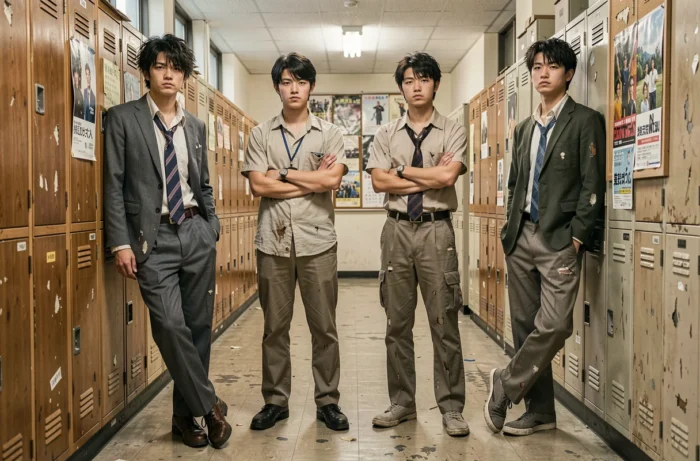
Eiji Nonaka pushed manga comedy into pure absurdity with Cromartie High School. Cromartie High School hosts delinquents, a gorilla, a robot, and a character resembling Freddie Mercury, without anyone being surprised.
The humor relies on the contrast between the seriousness of the characters and the absurdity of the situations. The chapters are short, often independent, and function like sketches. This structure makes it an atypical read in the landscape of humorous manga, closer to British nonsense than traditional shônen comedy.
8. Chobits

The collective CLAMP published Chobits between 2000 and 2002. The story follows Hideki, a student who finds an abandoned persocom (humanoid computer) and tries to understand how it works. The manga questions the boundary between human affection and attachment to a machine.
Published in a seinen magazine, Chobits addresses urban loneliness, technological dependence, and the notion of consent in human-machine relationships. These themes, treated with CLAMP’s recognizable graphic style, give the story a depth that transcends the simple framework of romantic science fiction.
9. Candy Candy

Created by Kyôko Mizuki (story) and Yumiko Igarashi (art), Candy Candy left a mark on shôjo in the 1970s. The story follows Candice White, an orphan navigating the early 20th century between America and England, facing family and romantic dramas.
The manga achieved massive success in Europe thanks to its animated adaptation. The rights to Candy Candy are the subject of a legal dispute between the two creators, preventing any official reprints or new adaptations for years. This situation makes the original editions even more sought after by collectors.
10. Cat’s Eye

Tsukasa Hojo, already mentioned for City Hunter, first found success with Cat’s Eye (1981-1985). The three Kisugi sisters lead a double life: café managers by day, art thieves by night. Their target: to recover the paintings of their missing father.
The dynamic between Hitomi Kisugi and inspector Utsumi, her boyfriend who is unaware that he is chasing the woman he loves, drives the entire narrative. Cat’s Eye laid the groundwork for Hojo’s style, particularly this blend of light action, romance, and autonomous female characters that would become his trademark.
This ranking reflects the diversity of mangas starting with C: from brutal shônen to absurd comedy, from historical shôjo to science fiction narratives. Several of these series remain available in current editions from French publishers, while others, like Candy Candy, can only be found in the second-hand market.