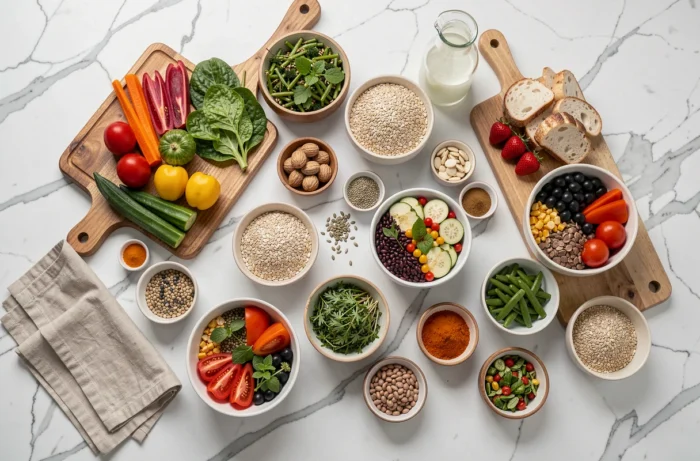
Preparing a balanced lunch every day involves juggling preparation time, nutritional quality, and taste pleasure. The dishes listed here share a common thread: a base of seasonal vegetables, an identifiable source of protein, and complex carbohydrates to sustain you through the afternoon. The EGalim law and the Climate and Resilience law of August 22, 2021, now require school cafeterias to offer a weekly vegetarian menu, proving that a balanced diet can also be conceived without meat at every meal.
1. Quinoa Buddha Bowl with Roasted Sweet Potato and Chickpeas
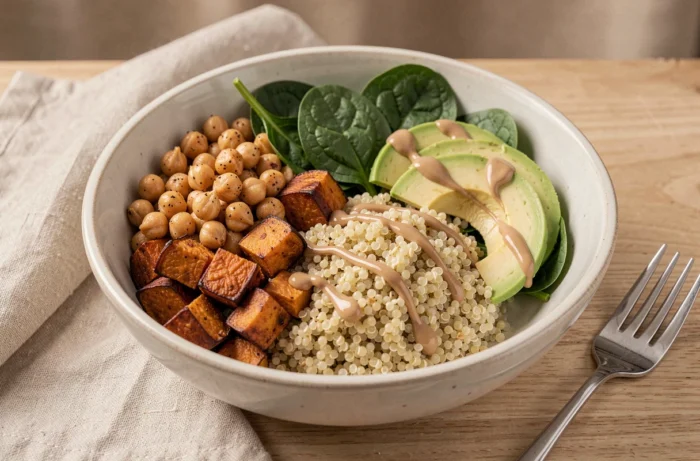
The Buddha bowl operates on a simple principle: one quarter whole grains, one quarter legumes, and half vegetables. Quinoa provides complete plant-based protein, sweet potato offers carbohydrates with a moderate glycemic index, and chickpeas enhance satiety.
For seasoning, a lemon and olive oil vinaigrette is sufficient. The updated Nutri-Score better values olive oil and canola oil than previous versions, reinforcing this choice. Everything can be prepared the day before and transported easily.
To find balanced recipes on MYN Idee, this type of bowl is a good starting point because it tolerates infinite variations depending on the available vegetables.
2. Warm Salad of Green Lentils, Beetroot, and Fresh Goat Cheese
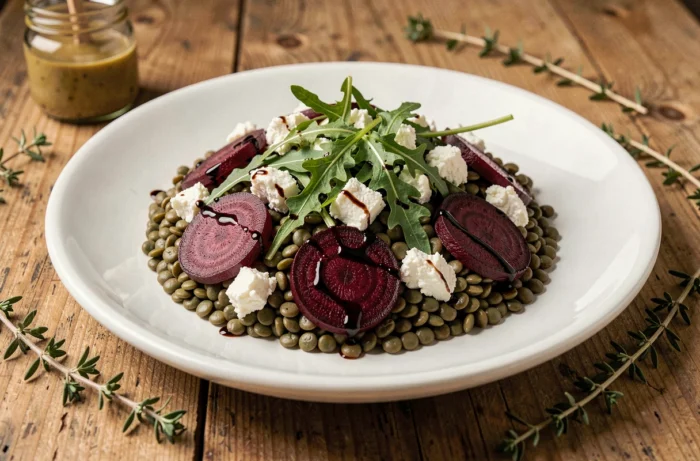
Green lentils cook in about twenty minutes without prior soaking. Combined with grated raw beetroot and a portion of fresh goat cheese, they create a dish rich in iron, fiber, and protein.
Vegetarian balance is thought over several meals, not in each plate, reminds the National Council of Collective Catering. This salad covers a good portion of the needs for plant-based protein without requiring an animal supplement at dinner.
Adding crushed nuts enhances the texture and provides polyunsaturated fatty acids. A drizzle of balsamic vinegar ties everything together.
3. Whole Wheat Wrap with Grilled Chicken, Fresh Vegetables, and Hummus
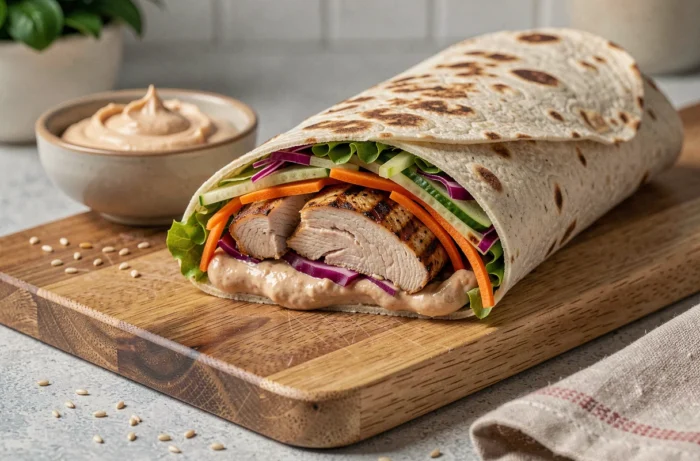
The wrap stands out for its practicality: it can be eaten with one hand and prepared in under ten minutes. A whole wheat tortilla, sliced grilled chicken, carrot sticks, cucumber, and a layer of hummus make up a complete meal.
The new Nutri-Score penalizes products high in salt more, encouraging the preparation of homemade hummus rather than using an industrial version that is often too salty. Blending chickpeas with tahini, lemon juice, and a splash of olive oil takes just a few minutes.
4. Seasonal Vegetable Stir-Fry with Buckwheat and Poached Egg
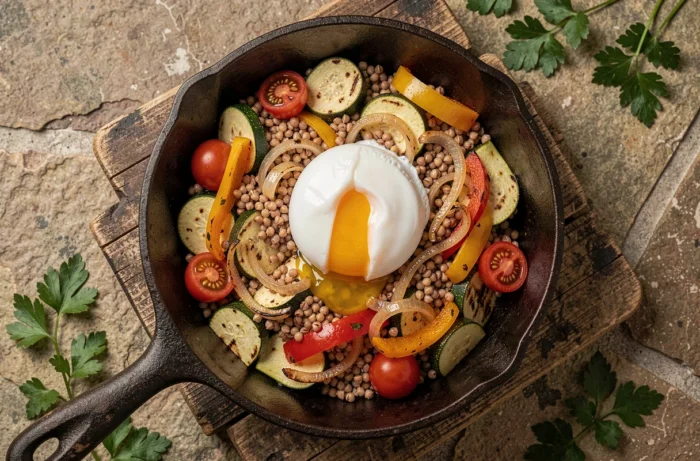
Buckwheat, naturally gluten-free, offers an alternative to pasta and rice. Cooked like a risotto in vegetable broth, it accompanies a stir-fry of zucchini, bell peppers, and onions.
The poached egg on top provides a cost-effective protein and an appetizing visual appeal. Cooking the yolk at low temperature preserves its nutrients. This dish exemplifies the approach of sustainable collective catering: building lunches around local and seasonal products rather than thinking solely in terms of calories.
5. Bulgur Tabbouleh with Fresh Herbs, Pomegranate, and Feta
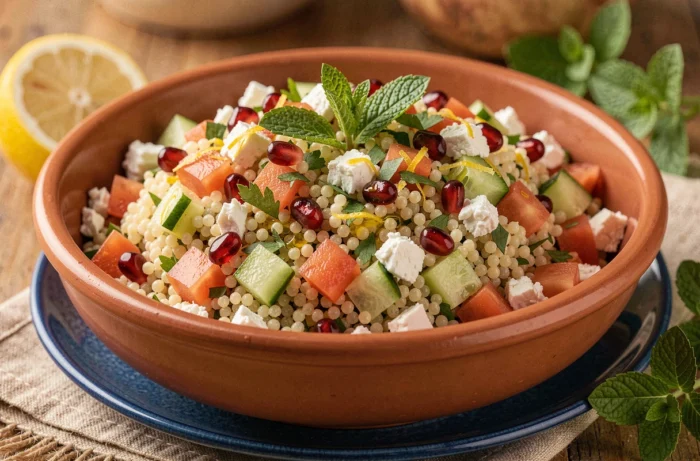
Bulgur cooks by absorbing water without supervision, freeing up time. Authentic Lebanese tabbouleh relies on a majority of fresh herbs (flat-leaf parsley, mint) and little grain, a ratio that increases fiber and vitamin intake.
Pomegranate adds a sweet-tart touch and antioxidants. Crumbled feta completes the protein. This dish keeps for two days in the refrigerator without losing its structure.
6. Squash, Red Lentil, and Coconut Milk Meal Soup
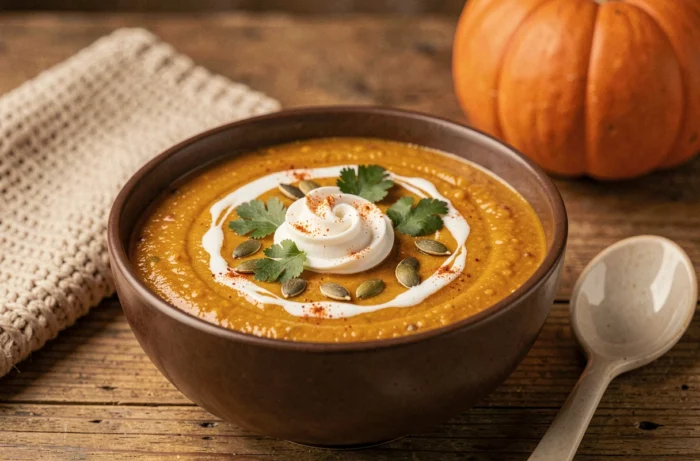
A thick soup can replace a complete dish as long as it includes a legume. Red lentils dissolve during cooking and naturally thicken the squash velouté.
A splash of coconut milk adds creaminess. Served with a slice of whole grain bread, this soup covers the needs for carbohydrates, plant-based protein, and fiber. Batch preparation on Sunday allows for freezing several portions for the week.
7. Broccoli Gratin with Salmon and Brown Rice
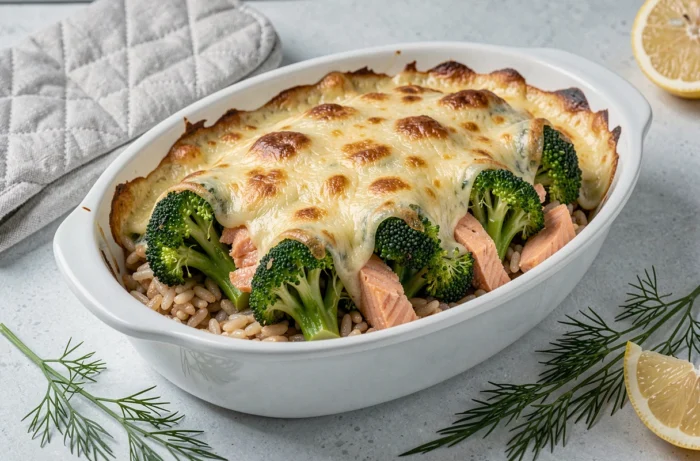
Salmon provides long-chain omega-3s that plant sources do not supply in comparable amounts. A small gratin combining broccoli florets, pieces of salmon, and a light béchamel (semi-skimmed milk, whole wheat flour, nutmeg) offers a comforting dish.
The new Nutri-Score calculation better differentiates fish from red meat, which favors this type of preparation. Brown rice as a side adds fiber and slow carbohydrates.
8. Buckwheat Galette Filled with Spinach, Mushrooms, and Emmental
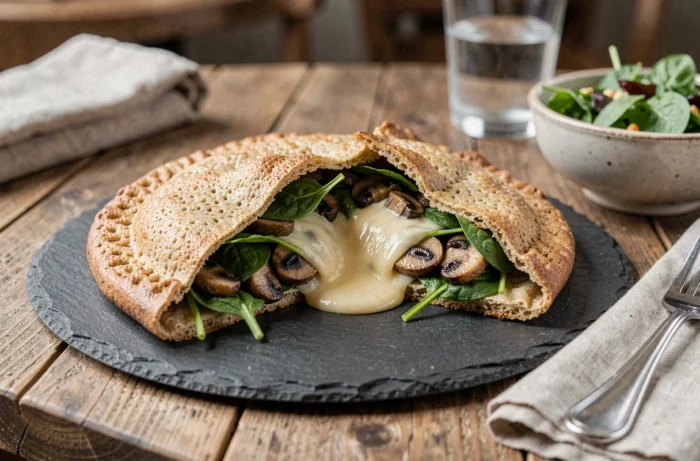
The buckwheat galette is made with three ingredients: buckwheat flour, water, and salt. It serves as a neutral base that accepts all fillings. Fresh spinach sautéed in a pan, sliced button mushrooms, and grated emmental form a satisfying trio.
This dish adapts well to batch cooking: the galettes can be stored for several days between two sheets of parchment paper, ready to be filled in minutes.
9. Poke Bowl with Vinegared Rice, Fresh Tuna, Avocado, and Edamame
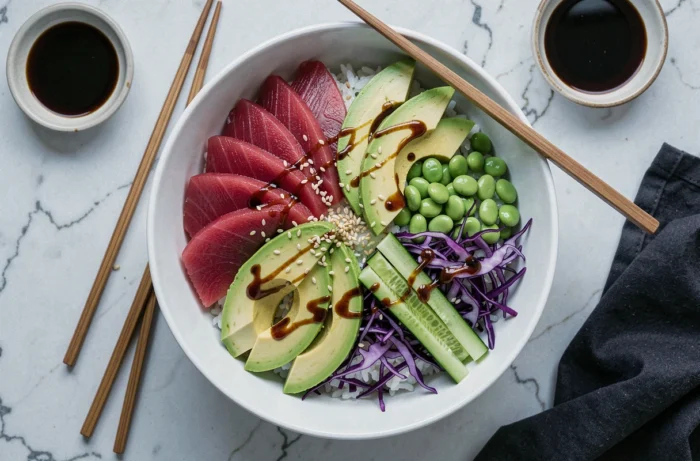
The poke bowl is based on slightly vinegared rice that serves as a backdrop. Fresh tuna (or marinated in soy and sesame) provides lean protein. Avocado adds monounsaturated fats, and edamame contributes plant-based protein and a crunchy texture.
Field feedback varies on the freshness of raw fish in a transported lunchbox. If the cold chain cannot be guaranteed, replacing raw tuna with canned tuna in water remains a reasonable option without degrading nutritional value.
10. Pasta e Fagioli: Whole Wheat Pasta and White Beans in Tomato Sauce
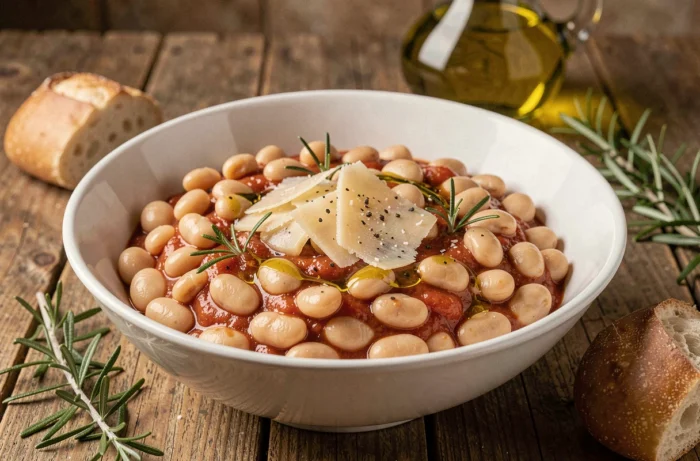
This Italian classic combines whole wheat pasta (rich in fiber) with white beans (rich in plant-based protein and iron). Homemade tomato sauce adds lycopene. Everything cooks in a single pot.
Sustainable sourcing imposed on collective catering can inspire homemade lunches: choose French dried beans over imported ones, seasonal tomatoes in summer, and jarred puree the rest of the year.
Here are the common points of these ten dishes that allow for checking the balance of a lunch:
- A clearly identifiable source of protein (animal or plant) on the plate
- Vegetables representing at least half of the total volume of the dish
- Complex carbohydrates (whole grains, legumes) rather than refined starches
- A seasoning based on olive or canola oil, valued by the revised Nutri-Score
Varying these dishes over two weeks covers a wide spectrum of nutrients without repetition. The most determining factor remains the seasonality of vegetables: the same Buddha bowl prepared with squash in winter or zucchini in summer changes its nutritional profile and taste, which prevents boredom better than any fixed recipe list.