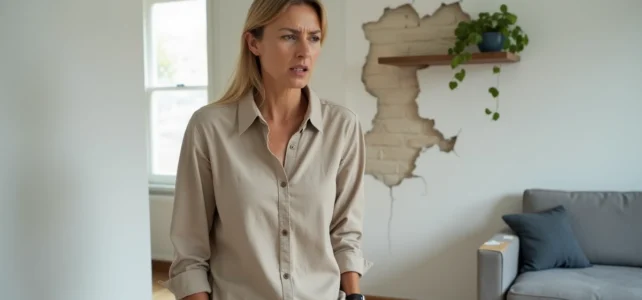
The Airbnb host damage guarantee, integrated into the AirCover program, covers damages caused by a traveler to a property or its belongings, with a reported ceiling of up to 3 million US dollars. This protection acts as a financial safety net, but its activation depends on specific conditions that most hosts discover when they need it.
Burden of proof and tightening of conditions since 2026
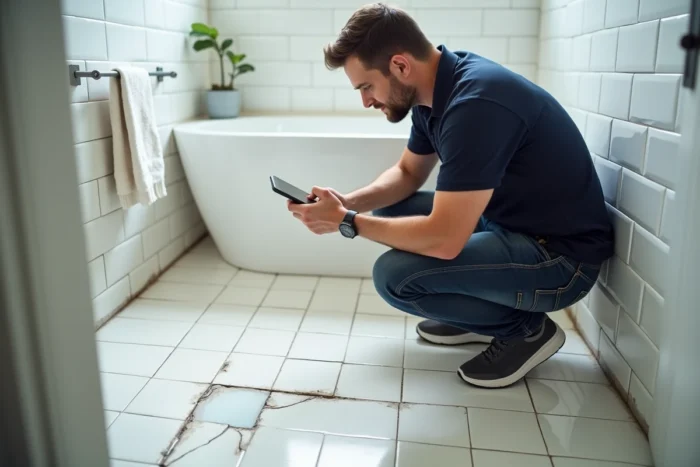
Since April 2026, Airbnb has significantly strengthened the documentation requirements for any compensation claim. The burden of proof lies entirely with the host. Specifically, timestamped photos taken before and after each stay have become the minimum requirement.
A systematic photographic inventory, dated and stored outside the platform, forms the basis of an admissible file. Without this documented inventory, a claim is unlikely to succeed, even for visible and costly damages.
The other lesser-known point concerns editing tools. Airbnb rejects images generated or edited by artificial intelligence tools. Upscaled photos, automatically enhanced images, or synthetic documents may lead to outright rejection of the file. Hosts using image optimization software for their listings must ensure they submit raw originals for their claims.
A fine understanding of these mechanisms of Airbnb host guarantee in case of damage allows for anticipating administrative pitfalls before a loss occurs.
Actual scope of Airbnb damage guarantee
AirCover covers damages caused by travelers or their companions to the property, furniture, valuables, and personal effects. Parked vehicles (cars, boats) damaged by a traveler are also included in the scope.
Additional cleaning costs are covered in certain cases: stains, pet-related damages, smoke odors. This cleaning aspect is an integral part of the guarantee, not a separate option.
What the guarantee does not cover
Several exclusions reduce the actual scope of this protection:
- Normal wear and tear of furniture and equipment, even accelerated by a high turnover of travelers, does not entitle one to compensation
- Damages occurring in common areas of a building, unless direct evidence of the responsibility of the concerned traveler is provided
- Loss of income related to the unavailability of the property during repairs is not covered by AirCover, which drives some hosts towards supplementary insurance
- Claims resulting from pre-existing maintenance issues of the property
AirCover does not replace non-occupying owner insurance (PNO). The two protections serve different purposes: AirCover targets damages directly attributable to the traveler, while a PNO covers structural risks and the owner’s civil liability.
Reporting deadline and Airbnb claims process
Reporting must occur within 14 days following the traveler’s departure, or before the arrival of the next traveler if that is sooner. Exceeding this deadline results in the loss of the right to claim, with no known exceptions.
The process follows three steps. The host first submits a request directly to the traveler via the Airbnb resolution center. If the traveler refuses or does not respond within 72 hours, the host can then involve Airbnb as a mediator.
The assessment of the damage by Airbnb is based on the evidence provided. Original purchase invoices, repair estimates, and comparative before/after photos constitute the expected documentary triptych. An incomplete file is the primary cause of claim denial.
Obligation of “reasonable care” for hosts
Airbnb has integrated a notion of reasonable diligence into its recent terms. A host who suffers repeated damages without adapting the protection of their property (removing fragile items, installing protections, updating house rules) may see their future claims scrutinized with greater skepticism.
This clause encourages hosts to document not only the damages but also the preventive measures implemented between incidents.
Supplementary insurance and owner’s civil liability
The traveler’s civil liability, partially covered by AirCover, does not protect the host against all scenarios. Water damage caused by the traveler’s negligence may implicate the owner’s liability towards neighbors or the homeowners’ association.
A PNO insurance with seasonal rental extension covers this type of situation. It covers the owner’s civil liability, structural damages, and, depending on the contracts, loss of rent during the repair period.
Some insurers specializing in short-term rentals offer guarantees that kick in where AirCover stops. The annual cost remains moderate compared to the financial risk of an uncovered incident, especially for high-end furnished properties or those located in condominiums with strict regulations.
The choice between AirCover alone and a setup combining platform guarantee and external insurance depends on the volume of bookings, the value of the furniture, and each host’s risk tolerance. For a property hosting several dozen travelers per year, relying solely on AirCover is akin to betting that every claim will be accepted, which is never guaranteed.